
2026 Nissan LEAF or Hyundai Kona Electric? Which Electric SUV Should You Buy in 2026
June 26 2026,
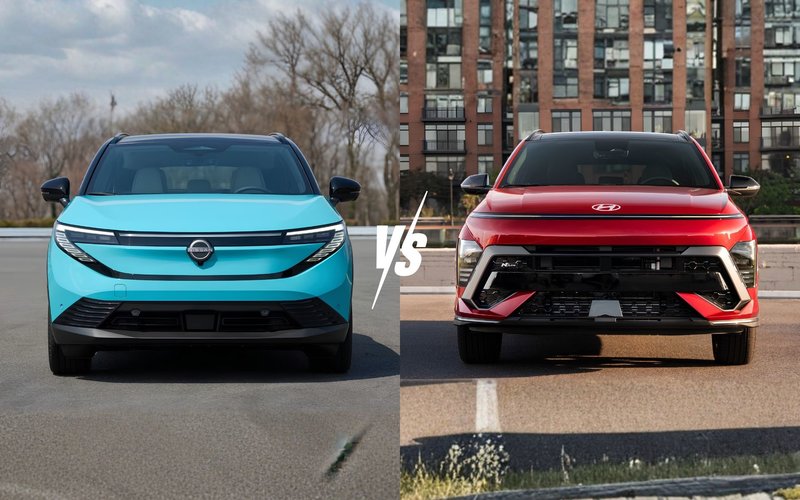
Electric SUVs are moving fast, and the 2026 Nissan LEAF and 2026 Hyundai Kona Electric show just how competitive this segment has become. Both vehicles bring impressive efficiency, practical interiors, and modern technology to the table, but each takes a slightly different approach to everyday driving. The LEAF leans into power and a premium digital experience, while the Kona Electric focuses on efficiency and cargo flexibility.
Build & Price your own 2026 Nissan LEAF
Bigger Screens Mean Better Connections

Technology is a big part of what sets these two vehicles apart. The 2026 Hyundai Kona Electric comes with a 12.3-inch touchscreen, Apple CarPlay and Android Auto compatibility, built-in navigation, wireless charging, and a six-speaker audio system. The 2026 Nissan LEAF takes things a step further with a larger 14.3-inch touchscreen that includes all the same connectivity features, plus in-car Wi-Fi capability. For drivers who spend a lot of time behind the wheel, that bigger, more responsive display makes a real difference in day-to-day usability.
Electric Performance with Everyday Efficiency
The 2026 Hyundai Kona Electric puts out 201 horsepower and 188 lb-ft of torque, delivering responsive acceleration and an outstanding efficiency rating of 2.0 L/100 km combined. The 2026 Nissan LEAF edges ahead with 214 horsepower and a notably higher 261 lb-ft of torque, while still returning a very competitive 2.1 L/100 km combined. Both vehicles are well suited to Canadian commuting, though the LEAF brings a bit more confidence when merging onto busy highways or overtaking slower traffic.
Smart Safety Comes Standard

Safety is front and centre in this comparison. The Hyundai Kona Electric comes equipped with six airbags and has earned a Good rating in side-impact testing. The Nissan LEAF raises the bar with 10 airbags, including knee airbags for added front-seat protection. Complete crash test results are still in progress for both models, but each vehicle reflects thoughtful, modern safety engineering that gives drivers real peace of mind on Canadian roads.
Practical Space for Busy Lifestyles
Canadian drivers need vehicles that keep up with their lives, and these two EVs deliver in different ways. The 2026 Hyundai Kona Electric offers 723 litres of cargo space behind the rear seats, expanding to a generous 1,803 litres with the seats folded. The 2026 Nissan LEAF provides 566 litres of cargo room that opens up to 1,572 litres when the rear seats go down. If hauling groceries, sports gear, or luggage is a regular part of your routine, the Kona Electric holds a clear advantage. That said, the LEAF still offers plenty of room for everyday needs.
|
Highlights |
2026 Nissan LEAF |
2026 Hyundai Kona Electric |
|
Starting Price* |
$44,998 CAD |
$43,999 CAD |
|
Horsepower |
214 horsepower |
201 horsepower |
|
Combined Efficiency |
2.1 L/100 km |
2.0 L/100 km |
|
Touchscreen Size |
14.3-inch touchscreen |
12.3-inch touchscreen |
|
Maximum Cargo Capacity |
1,572 litre |
1,803 litre |
Vancouver Is Already Driving the 2026 Nissan LEAF | Find Yours at Southside Nissan
Driveways across BC are filling up fast with the 2026 Nissan LEAF and for good reason. Instant torque, a commanding touchscreen, and electric confidence built for Canadian roads make this an easy yes. Don't be the last one on your street to make the switch. Head to Southside Nissan and claim yours before someone else does.
*All pricing is based on BC MSRP and does not include taxes and fees. Dealer pricing may differ. Prices are subject to change at any time without notice.
